
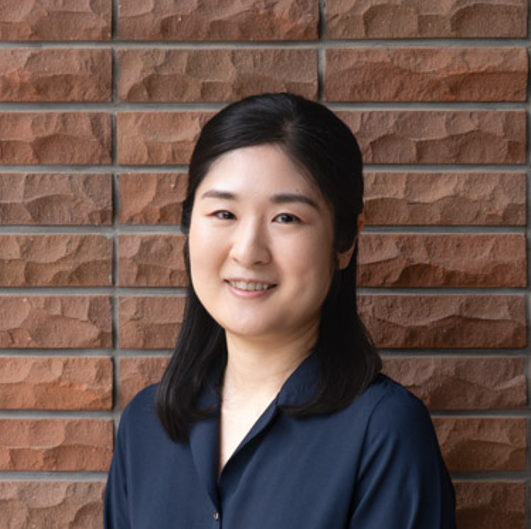
Saori Suzuki
, DVM., PhD. Invited Faculty
Hokkaido University
(Kyushu University)
(Kyushu University)
Research Theme
- Applied Research on Single-Cycle Infectious SARS-CoV-2 and the Molecular Mechanisms Underlying Hepatitis Virus Replication
Keyword
- SARS-CoV-2
- HCV
- HBV
- Compound Screening
- Reverse genetics
- Transgenic mouse
Overview of Research
- We are conducting integrated research on respiratory- and hepatotropic viruses, spanning the establishment of infection models, identification of host factors, and development of platforms for antiviral drug discovery. Severe acute respiratory syndrome coronavirus 2 (SARS-CoV-2) is a representative respiratory virus that has caused a global pandemic in recent years, and elucidation of its infection mechanisms and development of effective control strategies remain urgent challenges. However, as this virus is classified as biosafety level 3, its handling requires a physical containment level 3 facility. To address this limitation, we have generated a trans-complementation system of SARS-CoV-2 incorporating HiBiT (SARS-CoV-2tcp) and are evaluating its utility as a screening platform. SARS-CoV-2tcp retains intracellular replication capacity but lacks the ability to produce infectious progeny, enabling safe handling under BSL-2 (P2) conditions. In addition, we are exploring its potential application as a vaccine antigen for next-generation vaccine development.
For hepatitis B virus (HBV), we focus on RNA-binding proteins and investigate the interactions between host factors and viral replication using a variety of in vitro experimental systems. Furthermore, we employ HBV genome-transgenic mouse models to analyze the molecular mechanisms underlying hepatocarcinogenesis. For hepatitis C virus (HCV), we investigate the significance of GC content in the viral genome.
Collectively, our research aims to advance the understanding of diverse viral infections and to establish a foundation for the development of vaccines and antiviral therapies.